Etiquette, Identity, and the First Glance

Before a letter is opened, the return address frames the relationship. Placement, legibility, and tone suggest respect, care, or haste. A tidy line in the upper-left whispers reliability; a flourish across the back flap suggests ceremony. We unpack social cues, evolving manners, and the kind intentions people try to fit into a few square centimeters.
Stationers once taught that the back flap whispered intimacy, while the front corner signaled business. Today, families, freelancers, and nonprofits mix conventions, but the effect remains: where and how you place that identifier prepares the reader’s expectations. Share how you decide—habit, heritage, aesthetics, or the needs of the mailroom sorting machines.
A label can quietly honor identities that matter: hyphenated surnames negotiated after weddings, diacritics reclaimed from family history, or pronouns easing introductions before a meeting. Mistakes sting, while accuracy builds trust. Describe how you format names on your envelopes, and what choices feel welcoming, safe, and reflective of your community’s values.
Some senders limit information to protect privacy or keep the design calm—initials, a postal code, maybe a PO box. Minimalism can feel elegant, efficient, and universally legible, yet it also withholds detail. Tell us when sparse labeling feels considerate, and when it risks confusion, misdelivery, or seeming distant rather than kind.

From Stamps to Embossers

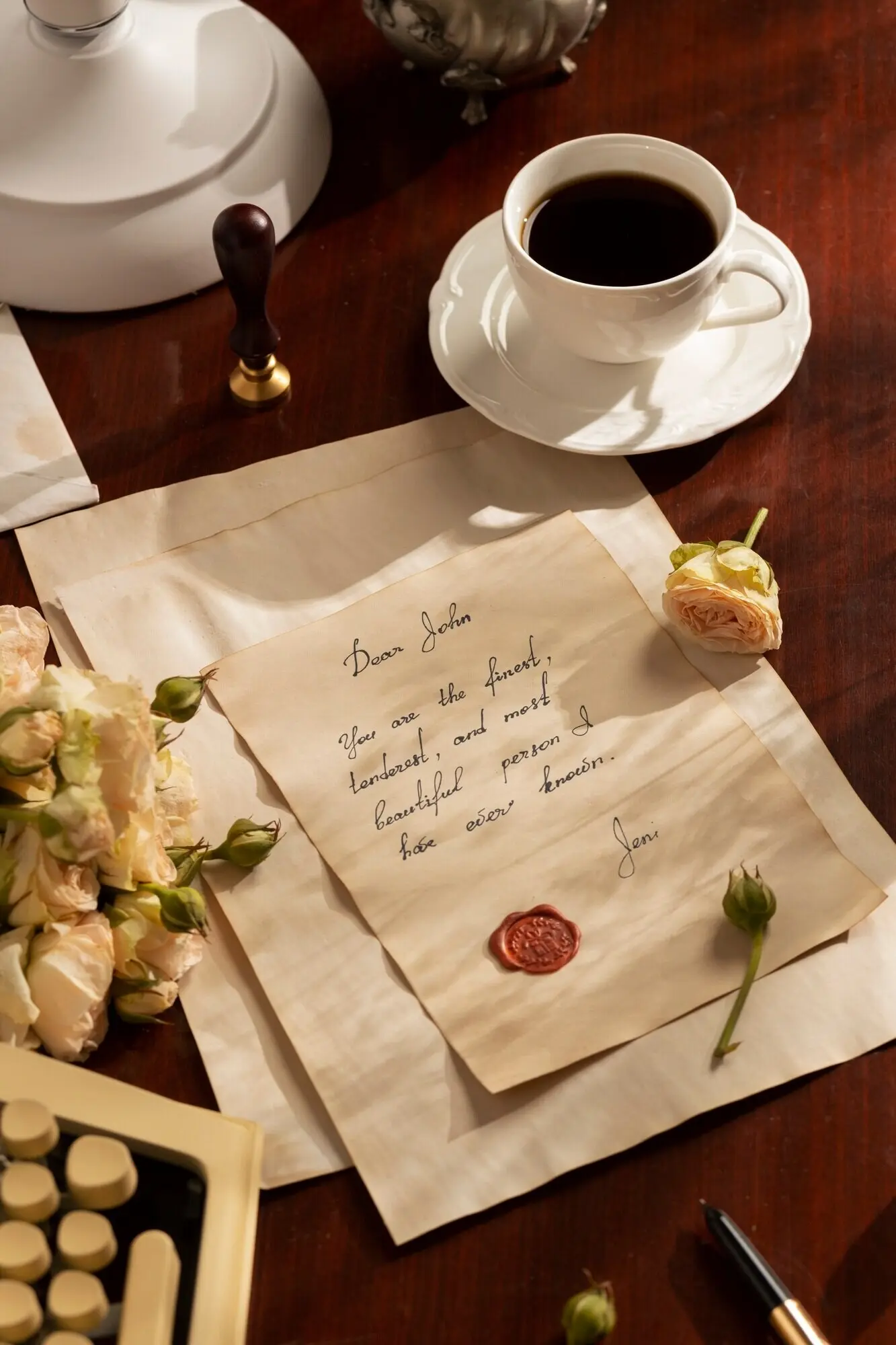
Rubber stamps once made return addresses repeatable in cramped apartments and corner shops, while desktop embossers signaled permanence and pride. Today’s home printers rival small studios. Each method shapes touch and tone. Which tools do you trust for durability, clarity, and personality when dozens of envelopes must still feel warmly individual?

Color Codes and Tiny Clues

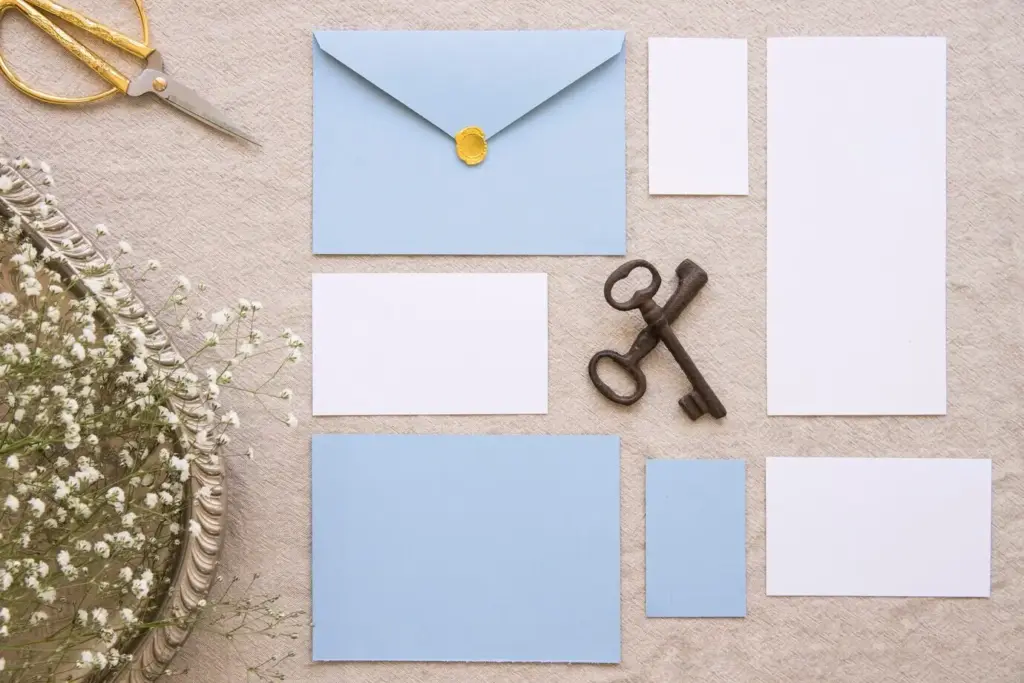
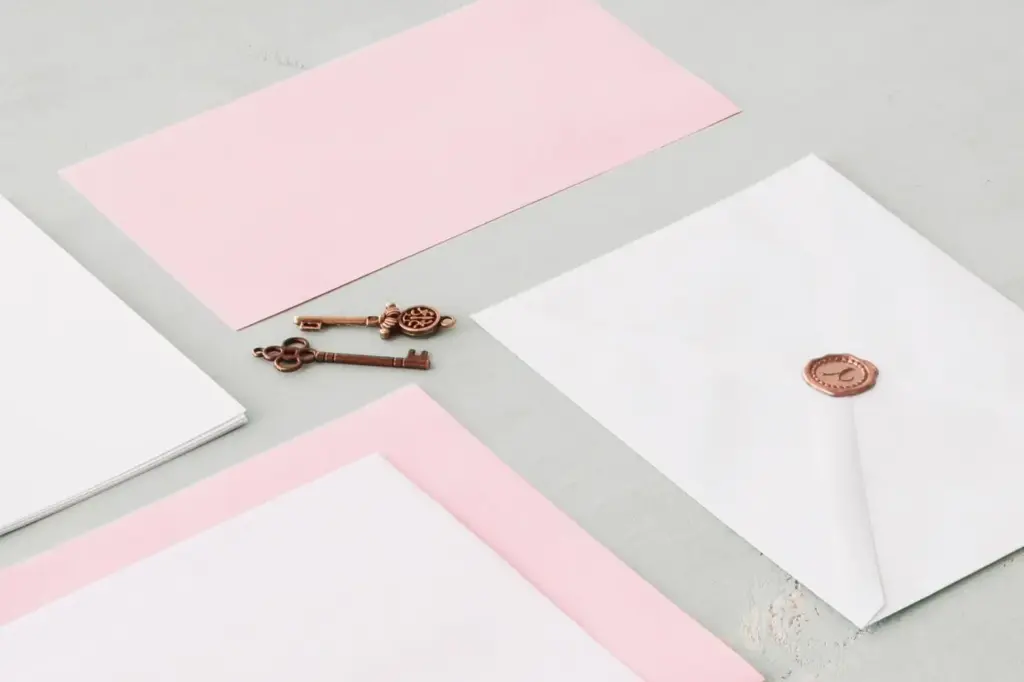
A muted gray can whisper understatement; navy projects steadiness; bright citrus promises cheerful news. Yet postal scanners and human eyes both need contrast. We explore how color choices bridge practicality and mood, coordinating with envelope shades without vanishing under fluorescent sorting lights. Share palettes that delivered compliments, saved time, or rescued legibility.

Mail That Traveled Further Than We Did

Sometimes a birthday card loops through three cities before reaching a friend, teaching patience and persistence. The extra labels and scuffs become part of the gift. Share tales of envelopes that gathered adventures, and how your return information safeguarded the journey without stealing attention from the heartfelt message inside.

Forwarding Stickers as Timekeepers

Those temporary yellow or white forwarding stickers often reveal exact dates and the bureaucratic choreography behind moving. They preserve a breadcrumb trail useful for archives, genealogy, or simply nostalgia. How do you document transitions on outgoing mail, and what conventions—dates, notes, QR links—help your recipients keep their own records gracefully organized?

Safety, Boundaries, and Respect in Correspondence

Not everyone can share a home address without risk. Survivors, public-facing workers, and teenagers writing pen pals may rely on PO boxes, workplace mailrooms, or privacy services. We discuss strategies that keep people reachable yet protected, and how thoughtful labeling practices signal consent, care, and responsibility to readers we may barely know.

Inclusion Through Clarity

A truly considerate envelope welcomes every reader. Large-print options, high-contrast designs, and tactile cues support low-vision neighbors. Clear formatting helps neurodivergent correspondents and busy sorters alike. Multilingual lines prevent delays. We examine simple adjustments that protect dignity and speed, turning return labels into small acts of universal hospitality people can feel.

Charity Labels and Reciprocity

Preprinted return labels tucked into appeals can feel like a gift, a nudge, or pressure. We unpack respectful framing, transparent language, and opt-in choices that honor autonomy while raising vital funds. Share examples of mail that inspired you to act without guilt, and practices you appreciate as a donor.

Small Brands, Big Recognition

An artisan bakery or bookbinder can turn a return label into a portable storefront: consistent type, a tiny icon, and reliable placement build trust. Yet clarity must outrank style. Describe how you test legibility, measure response, and keep human warmth at the center of every mailed interaction.

Neighbors Coordinating Care

Block associations, school groups, and building councils exchange envelopes that carry casseroles, babysitting schedules, or rent relief information. Friendly return identifiers help new residents know who is reaching out. Tell us how your community labels mail to welcome strangers, reduce confusion, and invite participation without overwhelming personal inboxes.

Tomorrow’s Envelopes: Automation, Codes, and Sustainability

Sorting machines and cameras already read more than most people realize. QR codes can route replies, track returns, or hide street details until scanned. Meanwhile, reusable mailers and dissolvable adhesives promise gentler footprints. We consider trade-offs between convenience, privacy, and planet, inviting experiments that keep courtesy and stewardship traveling together.
Freetheclitoris
Privacy Overview

This website uses cookies so that we can provide you with the best user experience possible. Cookie information is stored in your browser and performs functions such as recognising you when you return to our website and helping our team to understand which sections of the website you find most interesting and useful.