Why Everyday Envelopes Deserve Care

Small envelopes carry outsized clues about daily life: changing stamp designs, machine cancels, barcodes, delivery routes, and handwriting styles. Preserving them at home safeguards social history often overlooked by institutions, while teaching patience, observation, and gentleness. With thoughtful selection and mindful privacy, ordinary mail becomes evidence future researchers and families will thank you for keeping.

Hidden data in plain paper

Look beyond the address block to see routing barcodes, sorting smudges, pressure marks, and inkjet overspray that map automated systems. Compare cancellations, stamp placements, envelope windows, and security tints to track evolving technologies. These quiet features anchor dates, locations, and practices better than memory alone.

What to keep, what to recycle

Retain representative examples by year, origin, destination, and postal service variation, rather than keeping everything. Discard duplicates, deteriorated moldy items, or envelopes with dangerous residues. Prioritize interesting postmarks, unusual formats, and contextual notes, balancing historical richness with realistic space at home and long-term maintainability.

Ethics and privacy at home

Respect living correspondents by obscuring sensitive numbers and current addresses in displays or scans. Secure boxes out of sight, document consent when sharing stories, and delay publication for contemporary items. Your stewardship balances cultural value with empathy, modeling care that encourages participation rather than fear.

A Home Archival Toolkit That Works

You do not need a museum vault to protect everyday mail. With acid-free folders, buffered storage, rigid mailers, and inert sleeves, you can build a stable environment. Pair simple tools with clean hands, patient handling, and consistent routines, and your envelopes will survive decades of ordinary household fluctuations.

Sorting and Cataloging You’ll Actually Keep Up With

Simple structures beat complicated intentions. Group by year or month, then by origin or recipient, adding color-coded dividers for special events, businesses, or family milestones. Capture minimal metadata consistently, and you will find, share, and enjoy items without hunting through chaotic piles when curiosity strikes.

Digitizing Without Losing Character

Digitization should honor paper reality. Capture color, texture, and scale with the back as well as the front, and include flaps and interior patterns when relevant. Establish a repeatable workflow so scanning never blocks momentum, and backups protect today’s careful work from accidental deletion or hardware failure.
Scan envelopes at 600 dpi for details like microprinting and faint cancels; use 300 dpi for quick reference. Calibrate with a simple color target, save archival masters as TIFF, share derivatives as JPEG or PNG, and embed metadata fields so stories travel with the pixels permanently.
Some envelopes resist flatbeds. Use a phone with a clamp, raking light at a shallow angle to reveal embossing, and a neutral backdrop for clean edges. Correct distortion in software, include a ruler for scale, and capture multiple angles to preserve form alongside legible information.
Follow the 3-2-1 rule: three copies, two different media, one off-site. Automate cloud sync, keep an external drive unplugged between sessions, and verify with checksums or periodic spot checks. Document the process so family can continue stewardship without guessing passwords or locations.

Conservation You Can Safely Attempt

Some gentle treatments are possible at home, while others require a conservator. Learn to recognize paper types, adhesives, and inks before intervening. Prioritize stabilization over beautification, work slowly, document steps, and stop if materials complain. Preservation is a long conversation, not a quick makeover.

Flattening curled or folded pieces

Create a simple humidity chamber using two boxes, a damp blotter sealed beneath a grill, and a dry blotter above the envelope. Wait patiently, then weight gently between boards. Avoid direct misting. Record time and results, and test on low-value items before touching family treasures.

Repairing tears with reversibility

Use thin Japanese tissue and wheat starch paste for mends that can be undone. Align fibers, support the tear from underneath, and apply minimal adhesive. Practice on scrap paper. If inks blur or papers cockle, stop immediately and consult a professional for safer alternatives.

Dealing with mold and pests

Identify powdery spores, webbing, frass, or pinholes before they spread. Quarantine affected boxes in sealed bags, freeze when appropriate, and wear protection. Clean storage areas thoroughly and control humidity. When damage is severe or sentimental stakes are high, prioritize expert assessment over experimentation.
Micro-exhibits at home and online
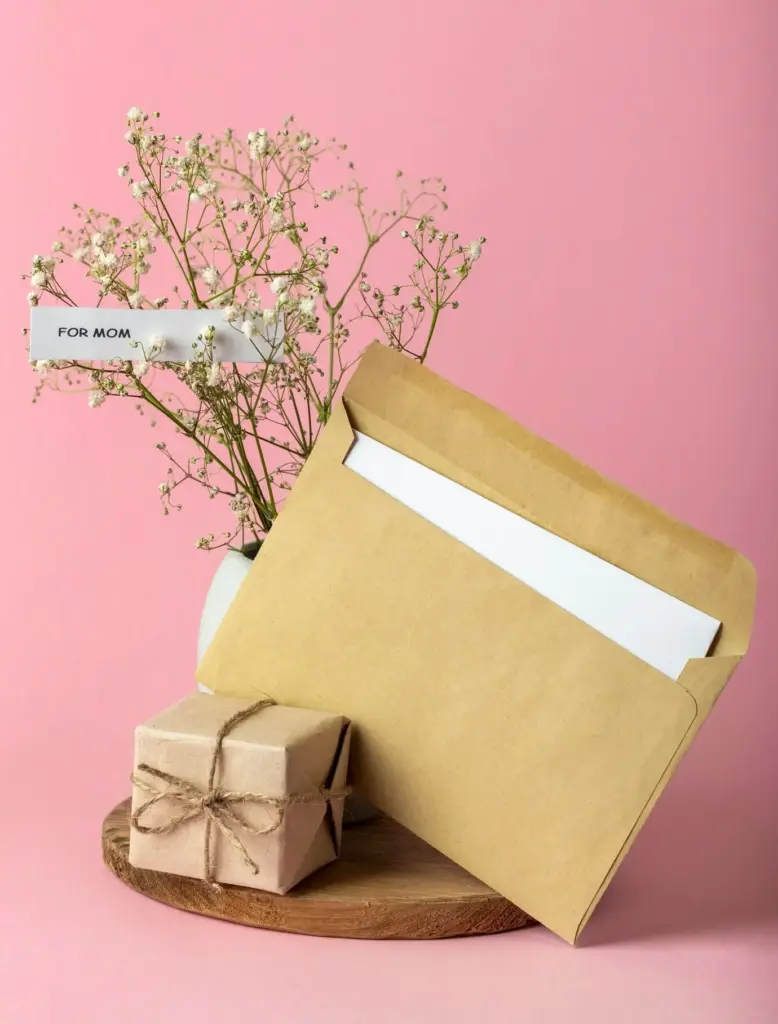
Curate five to seven envelopes around a question, like changing postal rates or neighborhood growth. Write short captions, rotate items to limit light exposure, and use UV-filtered sleeves. Share a digital twin with friends, inviting comments that correct dates, decode abbreviations, and add personal memories.

Gathering stories from senders and recipients

Call, text, or visit people connected to memorable envelopes. Ask about the errand, the mood, the reason for a stamp choice, or the route taken. Record quotes with permission, and attach transcripts to your catalog. These human details transform paper artifacts into living, sharable narratives.
Freetheclitoris
Privacy Overview

This website uses cookies so that we can provide you with the best user experience possible. Cookie information is stored in your browser and performs functions such as recognising you when you return to our website and helping our team to understand which sections of the website you find most interesting and useful.